
Riyadh Metro
Riyadh Metro is the backbone of an emerging global capital: six lines and eighty-five stations built to move a city whose population will double within a generation, soon served by the largest driverless network on Earth.
Working alongside the Royal Commission for Riyadh City (RCRC), TDC, now part of Maynard, has introduced a single, consistent voice across the system – a brand strategy and wayfinding guideline designed for every rider, from day one.
Some of the network’s stations are landmarks in their own right – Zaha Hadid’s lattice-clad KAFD, or Snøhetta's polished Qasr Al-Hukm. For many passengers, an interaction with these civic spaces will form their very first impression of Saudi Arabia – a first handshake with a nation actively opening its doors to business and tourism.
TDC’s task was to set a wayfinding standard precise enough to hold its own inside each icon, guiding first-time arrivals with the same confidence as daily commuters, and framing the architecture rather than competing with it.
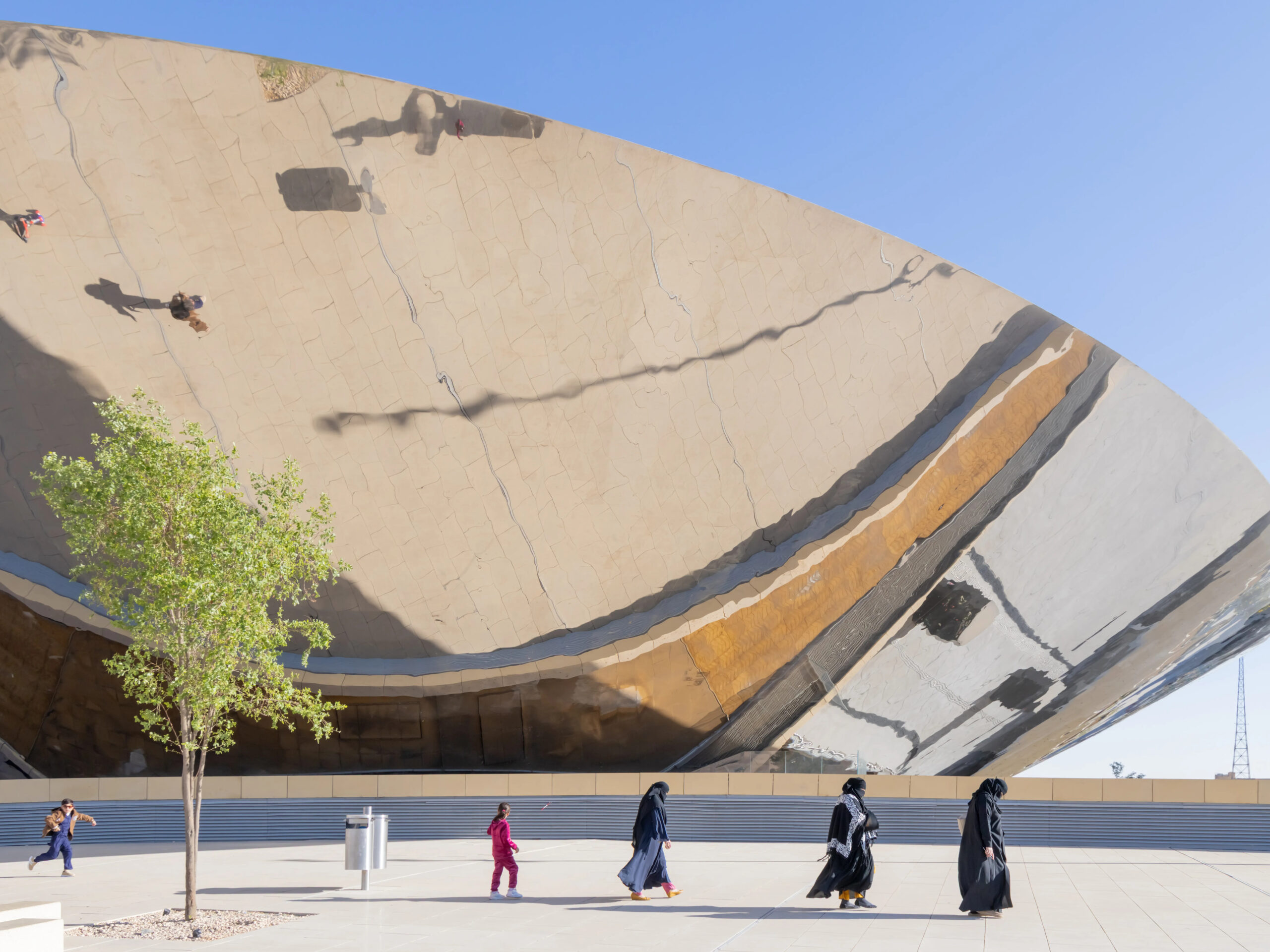
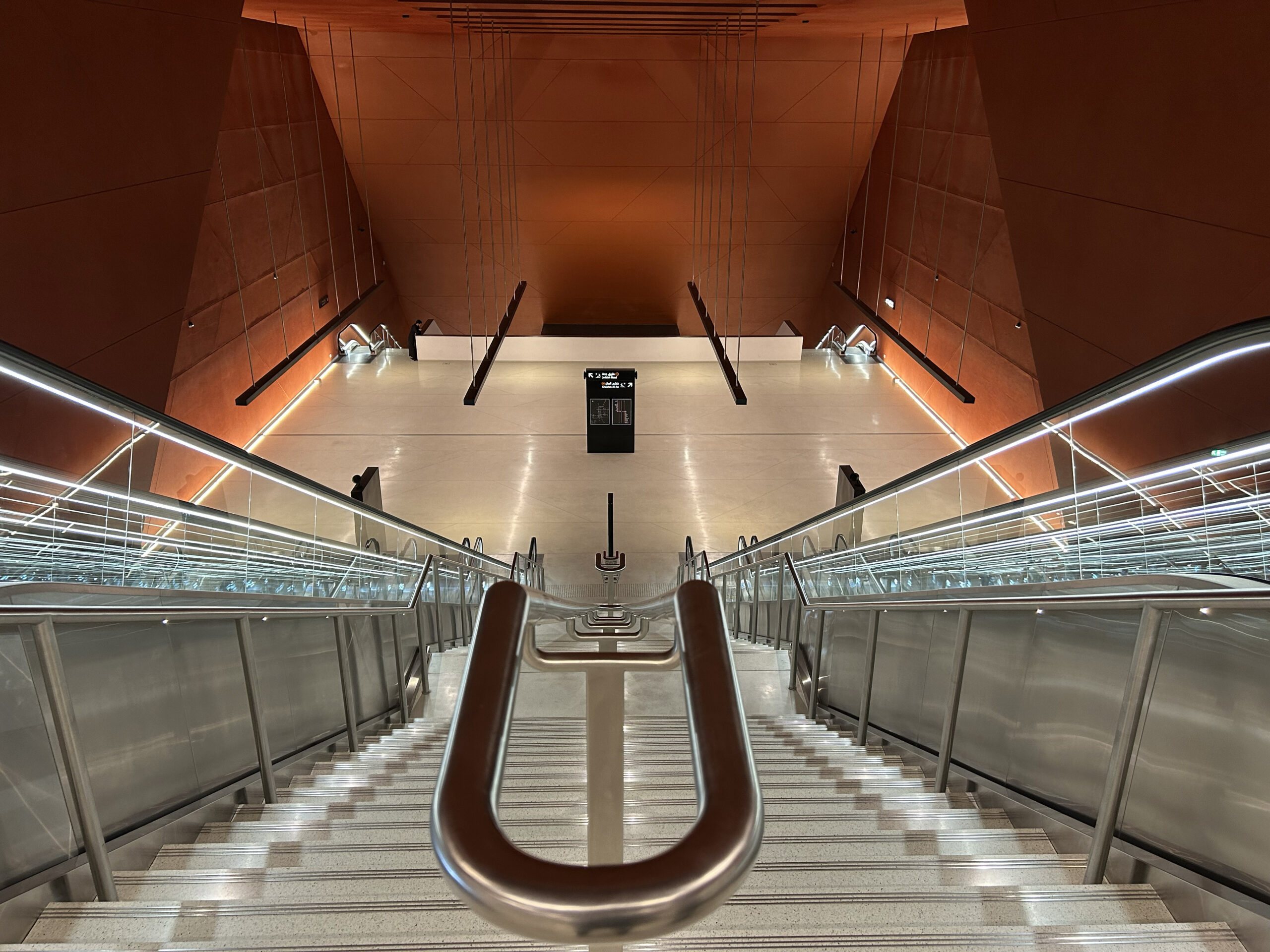
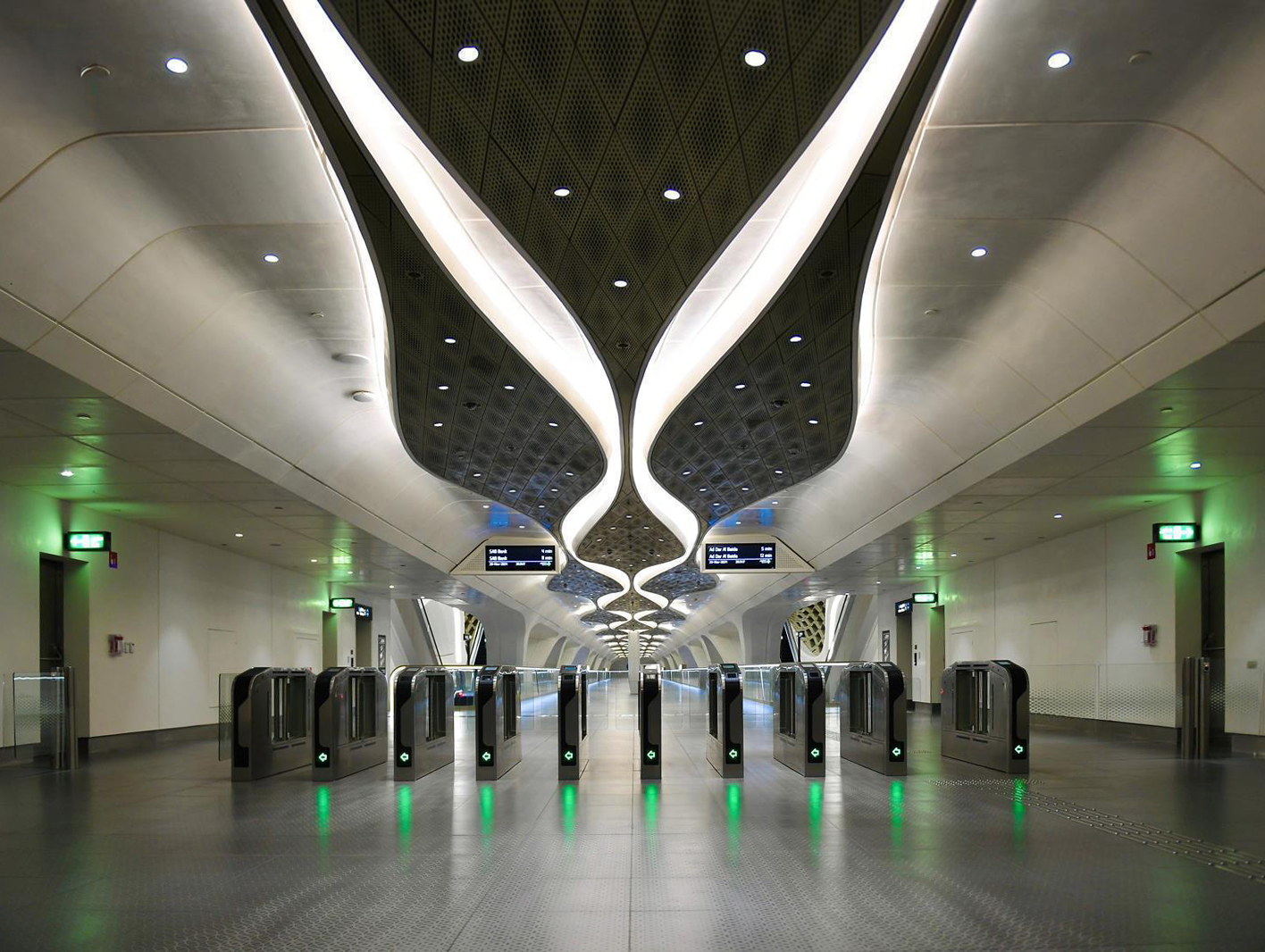
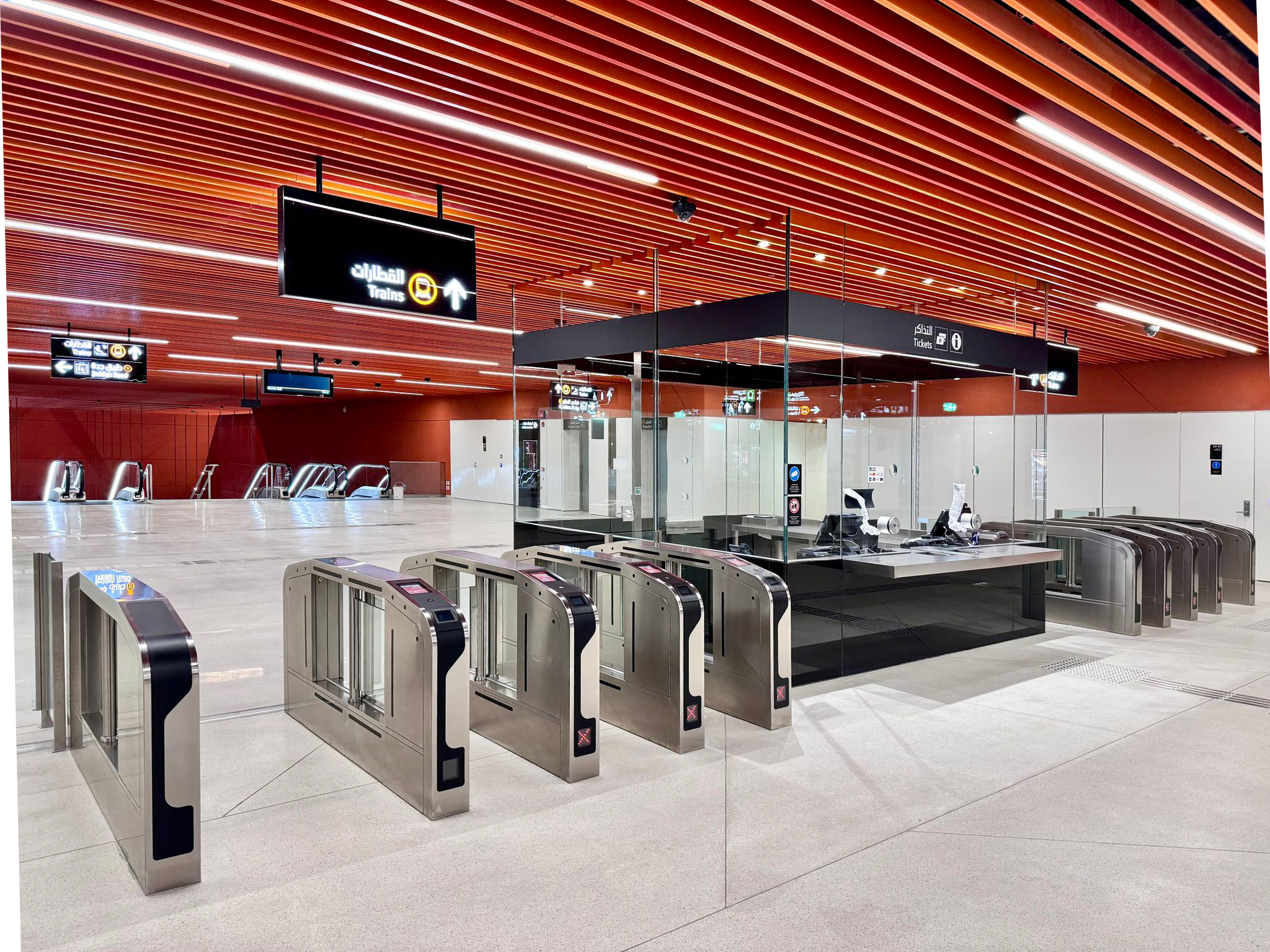
Beyond the ticket gates, the principles established for signage, materials, and information design became the foundation for a streetscape manual that covers the public realm, within three-hundred metres of every station. This guidebook became essential in extending a single language from platform to pavement, and shaping how the city is experienced on foot long after riders step out into the heat.
Stations exposed to that blistering heat, blowing sand, and direct sun for months at a time need hardware that can take it. Bespoke casings and support structures were carefully engineered alongside the graphics and accessibility standards, rather than bolted on as an eleventh-hour afterthought.