
Tomorrow’s transport won’t leave anyone behind
A few summers ago, in Brisbane for the first time with my daughters – then eighteen and twenty – we put the city’s streets to the test. Within a day, all three of us were on e-scooters, weaving between parks and laneways, doubling back for a second look at the urban landscape unfolding in front of our eyes. The route stretched out ahead of us like a yellow brick road – anticipation building at each turn. We covered the city almost entirely on two wheels, and the girls were exhilarated, alert, and confident – moving through a place that was, for once, designed exactly for it.
That feeling – freedom, capability, the small thrill of getting somewhere on your own – is what good mobility ought to deliver. And it’s what’s missing for too many people, in too many places.
In our cities, mobility is finally being taken seriously. But the most exciting innovations are landing unevenly. The further you travel from the centre of a city, the harder it becomes to move at all without a car. And the people who pay the price for that imbalance are remarkably consistent: mothers running the daily relay of school, supermarket, off to work, and repeat; older residents whose ability to age in place hinges on whether the bus still runs at four in the afternoon; wheelchair and mobility-vehicle users for whom ‘last mile’ usually means ‘no mile’; or teenagers, even younger than my daughters, who haven’t learned to drive and can’t yet even make a start.
It is, however, encouraging that the UK now faces an opportunity to lead the change. Seven new towns, proposed by the government, mean more than just housing; they are, potentially, a blank slate for a fresh blueprint of development with inclusive mobility embedded – designed in from day one rather than retrofitted in twenty years.
Limited private parking, smart EV-charging points, and shared-vehicle bays can sit alongside a safe walking route to school for a nine-year-old without supervision. Each is straightforward to specify before a single brick is laid – and prohibitively expensive to add later.
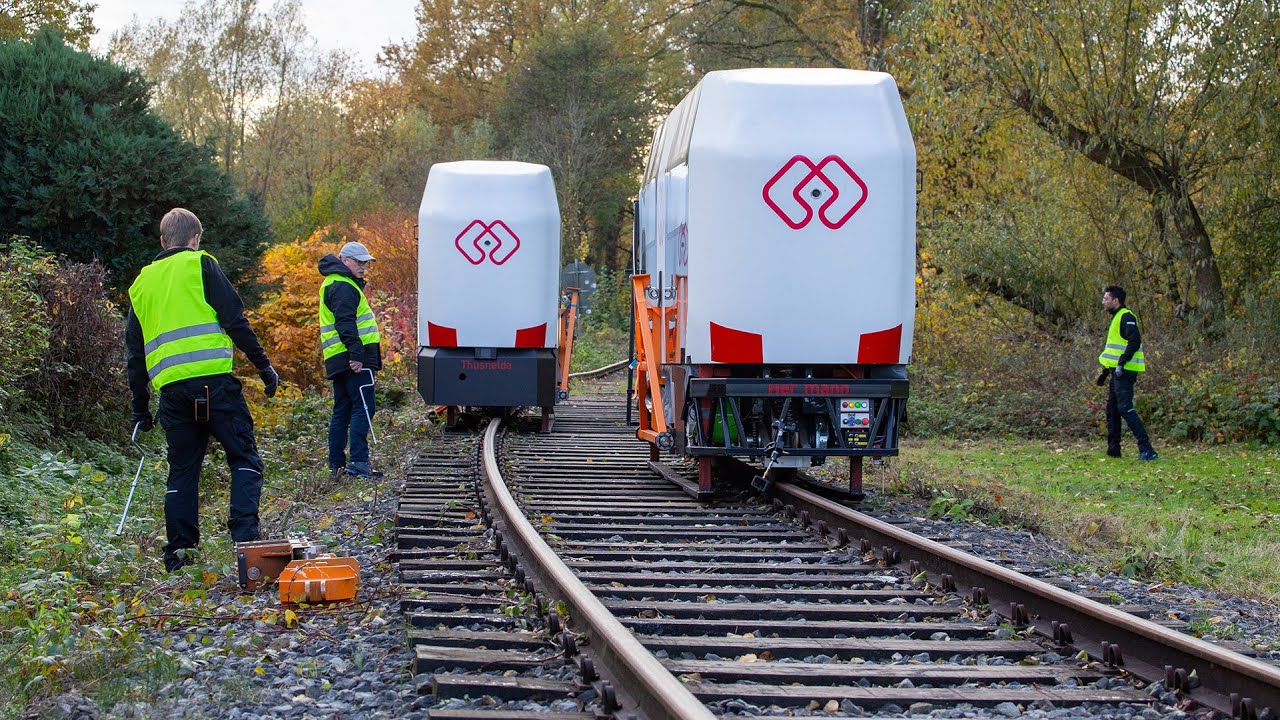
And there are other opportunities hiding in plain sight. Across the country, hundreds of miles of railway corridor sit dormant – ditched in the nationalised system of the 1960s (the ‘Beeching Axe’) that, in many cases, simply waits. Picture it: low-speed autonomous shuttles serving rural towns and villages; accessible vehicles that let someone in a wheelchair travel a direct route rather than a three-bus relay.
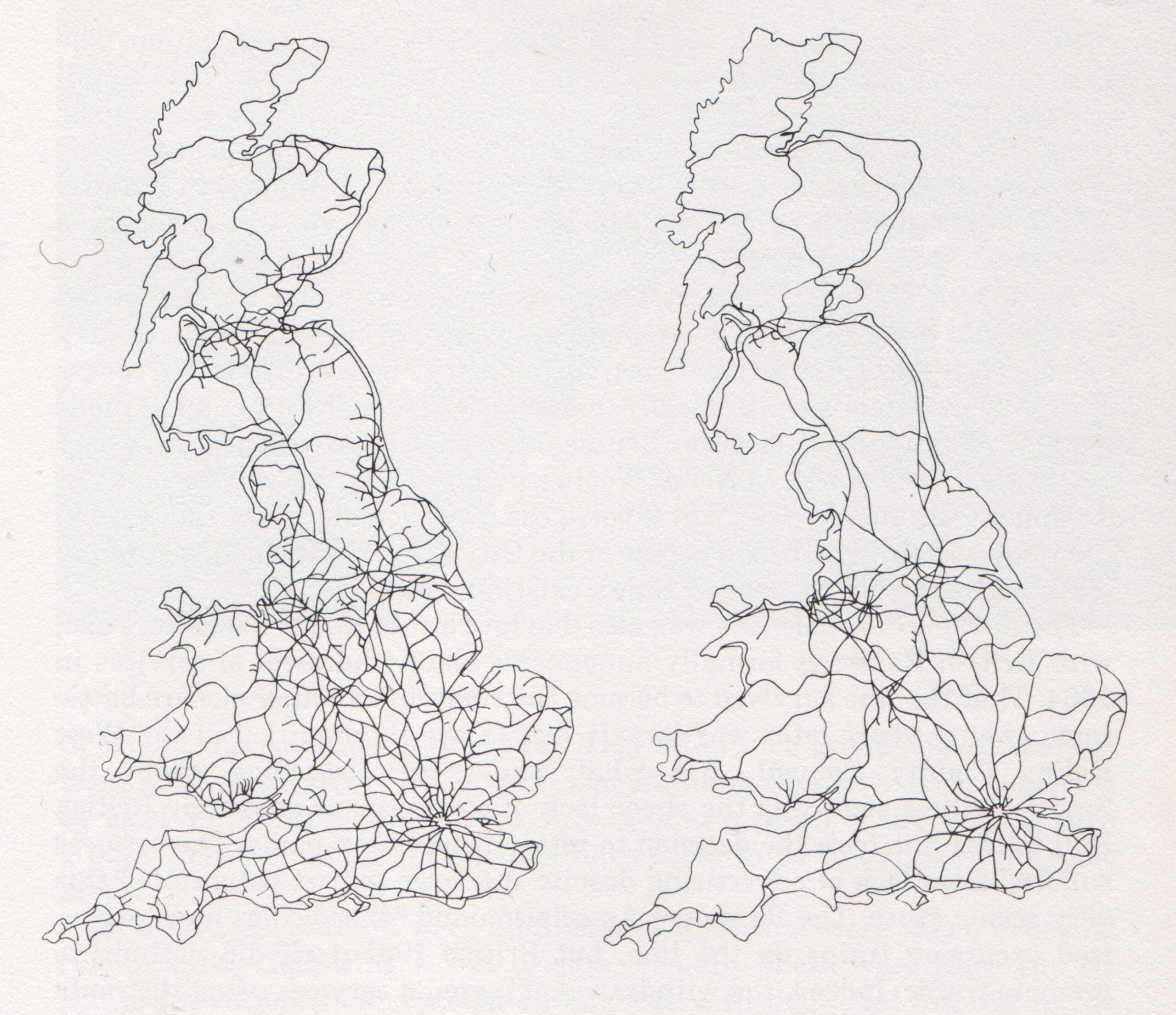
A map of Britain's railway network before and after the Beeching Cuts.
The technology is closer to ready than people assume. The corridors are already there.
Shared transport is, for underserved rural communities, the best way forward. Edinburgh’s Enterprise Car Club is widely cited as a successful model for a reason – each shared vehicle is estimated to take around twenty privately owned cars off the kerb, and to save the average household thousands a year. New towns and outer suburbs are exactly where that proposition lands hardest.
None of this is glamorous – there are no ribbons cut for a well-placed car-club bay. But these are the interventions that decide whose mobility revolution this actually is.
Tomorrow’s transport will be judged not by how fast it moves the few, but by how reliably it serves the many. The test for our streets, our suburbs, and our seven new settlements is simpler than it sounds: do they let everyone aboard?

Written by: Paula Kershaw
To read more from our columnists, get your hands on our new publication, Streets Ahead – out now. Get in touch with Zac Procter at zac.procter [at] maynard-design.com to secure a copy today.